Methane leaks pose safety, legal, and environmental risks across oil and gas operations. Traditional methods usually depend on ground surveys or crewed aircraft, which can be slow, expensive, and difficult to deploy offshore or in remote areas.
Bridger Photonics provides drone-based methane detection systems that find leaks and measure emission rates using laser-based sensing. AUAV supports this by delivering safe and repeatable drone gas detection over complicated assets. This allows operators to act faster and with more confidence.
Bridger Photonics Technology
Bridger Photonics is located in Bozeman, Montana. It specialises in aerial methane measurement with the help of lasers. Their systems are built for areas where access is limited and accurate emissions data is needed.
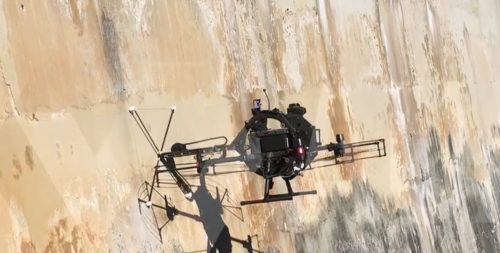
A drone-mounted version of Bridger’s Gas Mapping LiDAR (GML) system was introduced in May 2025. This eliminates the need for large on-site teams or the mobilisation of aircraft for methane detection on offshore platforms, LNG facilities, and remote networks.
Laser-Based Gas Detection
Bridger Photonics’ Gas Mapping LiDAR functions differently than typical methane sensors:
- Detects methane remotely using laser measurements.
- Scans large areas from standoff distances.
- Pinpoints the source of emissions.
- Calculates the release rates.
This method lowers risk and produces data appropriate for reporting and repair prioritisation, in contrast to sensors that must fly through gas plumes.
Drone Deployment for Complex and Offshore Sites
The drone-mounted system works well in places with restricted or dangerous access, such as:
- Offshore platforms and FPSOs.
- LNG plants and gas processing facilities.
- Compressor stations.
- Remote pipelines and distribution infrastructure.
AUAV handles drone operations, flight planning, and site coordination and assists with surveys of live facilities and offshore structures.
Key Use Cases
1. Fugitive Emissions
- Locating unknown methane sources.
- Measuring emission rates to support maintenance planning.
2. Offshore Oil and Gas
- Inspections without shutdowns.
- Reduced worker exposure in dangerous areas.
3. Gas Processing and LNG
- Wide-area scanning of dense pipework.
- Appropriate data for environmental and compliance reporting.
4. Remote Networks
- Surveys where ground access is limited.
- Faster identification of priority leaks.
Why Operators Use Bridger Photonics with AUAV?
- Measured outcomes: Leak location and emission rate provided together.
- Lower risk: Fewer people near live equipment or offshore edges.
- Reduced mobilisation: No aircraft or large crews required.
- Clear priorities: Repairs can be ranked using measured data.
- Scalable delivery: Ideal for single assets or large portfolios
Comparing Bridger Photonics and AUAV with Traditional Methods
|
Aspect |
Bridger Photonics + AUAV |
Traditional Approaches |
|
Detection method |
Laser-based |
Sniffer or manual |
|
Source location |
Precise |
Often approximate |
|
Emission rate |
Measured |
Estimated or unavailable |
|
Offshore use |
Well suited |
Limited |
|
Safety exposure |
Lower |
Higher |
AUAV’s Role in Reliable Emissions Measurement
AUAV supports Bridger Photonics by offering the operational layer required for accurate methane detection:
- CASA-certified drone pilots.
- ISO-aligned safety and quality systems.
- Experience across oil and gas drones.
- Offshore and complex-site flight capability.
- Consistent capture that supports laser gas detection accuracy.
Reliable, consistent data collection is essential for accurate analytics. AUAV’s operational experience is a key factor in making these methane surveys dependable at scale.
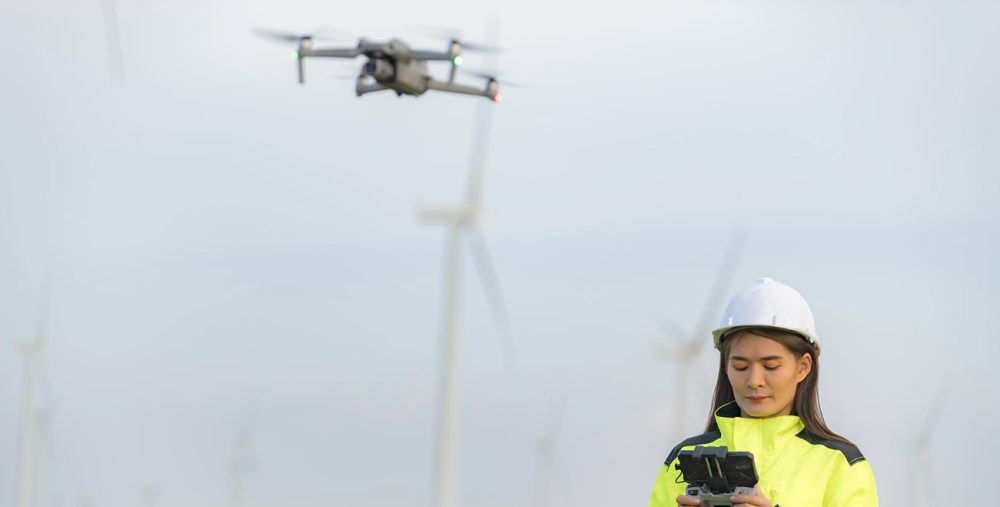
Book Drone-Based Methane Detection
AUAV delivers drone methane gas detection programmes using Bridger Photonics’ laser-based technology across Australia, the UK, Europe and the US. For enquiries, make sure to contact@auav.com.au
More information on Bridger Photonics:
https://www.bridgerphotonics.com/
FAQs
What makes Bridger’s system different?
It uses laser-based sensing to determine both the location and the emission rate.
Is it suitable for offshore assets?
Yes. The drone-mounted system is intended for FPSOs and platforms.
Is it necessary for the drone to fly through gas plumes?
No. Detection occurs remotely.
How does this support emissions reduction?
Measured data allows repairs to be prioritised based on impact.
What does AUAV provide?
Consistent data collection, safety management, and drone operations.
Which operators benefit most?
Oil and gas producers, LNG facilities and gas network operators.